
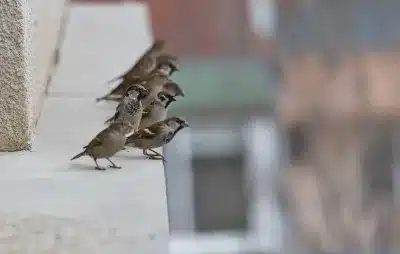
Can pest control get rid of birds? If your property has feathered visitors leaving messes, nesting in vents, or roosting on roofs, the answer is yes. It’s worth speaking with a licensed pest control technician to determine the most effective approach for bird control. These situations rarely fix themselves—especially once problem birds settle in. The longer they settle in, the harder they are to discourage.
Most pest control and wildlife companies don’t rely on a one-size-fits-all solution. They typically start by identifying why certain species are attracted to a property—maybe it’s food scraps, a sheltered ledge, or warmth from the sun. Once the attraction is understood, the next step often involves exclusion methods. These can include physical barriers and subtle deterrents that make the area less appealing. It’s important to note that humane methods are always used—traps, poisons, or other inhumane tactics are never part of the process. Some of these deterrents, like noise devices, may seem gimmicky at first but can be surprisingly effective when used correctly.
Among the various humane deterrents, some tools may surprise homeowners. I used to think noise devices were gimmicky, but when properly placed and used alongside structural changes, they can be surprisingly effective. That said, real results come from persistence and customization. Every home or building has its own quirks, and what works in one neighborhood might not work just a few streets away.
Finally, it’s important to remember that some birds are protected by law. Interfering with certain species or their nests without proper authorization is illegal. Reputable pest control companies always account for these regulations, so make sure to ask about this upfront before beginning any bird removal process.
Can Pest Control Get Rid of Birds?
If feathered intruders have settled where they’re not welcome, the most realistic approach is a mix of deterrence, habitat modification, and site-specific planning. There’s no single solution, and most quick fixes–plastic owls, shiny tape–just don’t last. For urban or commercial properties especially, consistent human activity and access to food sources tend to draw them back.
What tends to work best? Professional wildlife technicians often start by identifying exactly why and where the nuisance species are gathering. Are they roosting under eaves? Nesting in vents? Scavenging from open garbage bins? Once the patterns are clear, tailored deterrents like exclusion netting, angled ledge systems, or discreet spike strips can keep them from coming back.
But sometimes the issue runs deeper. Maybe it’s a recurring seasonal problem, or the property layout makes certain spots hard to defend. In those cases, a service offering customized pest treatment plans may be the only way to get real results. The key is not overpromising–removal isn’t about elimination so much as persistent discouragement.
Long-Term Prevention Tactics
Adjusting the environment is often more reliable than physical removal. Blocking off food sources, sealing entry points, changing landscaping to make the area less inviting–it all helps. Maintenance matters too. One forgotten gap in a roofline, and they’re back next spring.
When Intervention Becomes Necessary
In rare cases, intervention may require permits, especially if protected species are involved. This is where experience makes all the difference. A rushed DIY solution might violate local regulations or even escalate the issue. It’s worth working with someone who’s handled similar situations before and can advise you with both caution and strategy.
How Pest Control Deters and Removes Birds
Targeted deterrents should be installed as soon as nesting or roosting behaviour is noticed–waiting rarely helps. Physical barriers like netting or stainless steel spikes are usually the first step. They’re not pretty, but they work. Netting blocks access to rafters and warehouse beams. Spikes prevent perching on ledges or signage without harming the animal. A lot of businesses in urban areas go this route just to stop the mess from piling up–literally.
Some technicians prefer tension wire systems for larger commercial rooftops. These wires are subtle, almost invisible from the ground, and they make landing difficult. I’ve seen them used on airport hangars and hotel roofs–they hold up well under weather and don’t look intrusive. For residential clients, professionals may suggest sloped surfaces or gel-based products. The gel feels sticky and unstable, so the animal just doesn’t return. It’s not painful, just uncomfortable enough to discourage repeat visits.
If flocks have already settled in, then audio deterrents or light-based repellents might be added. These use random sound bursts or flashes that mimic predators or danger signals. They’re not always enough on their own, but when combined with physical barriers, they tip the balance.
For situations where nesting has occurred inside eaves or vents, licensed technicians may need to remove young or eggs following local wildlife regulations. Then sealing up the entry point is critical–otherwise, the same issue repeats next season. During pest control inspections Airdrie residents often request seasonal checks for that reason alone. Prevention ends up being far less work than dealing with established nests.
Tailored Approaches for Specific Structures
No two sites need the same setup. What works for a grocery store loading dock won’t necessarily work for a condo balcony. That’s where custom deterrent planning matters. Professionals consider everything–wind exposure, surrounding food sources, rooftop layout. It’s less about chasing things away and more about making the space uninviting without causing harm. That takes a bit of trial, error, and experience, honestly.
Legal and Ethical Considerations in Professional Bird Removal
Any intervention targeting nuisance birds must follow local wildlife protection laws–there’s no way around that. In Alberta, for example, many species are protected under the Migratory Birds Convention Act. So even if a flock is nesting in vents or damaging property, removal isn’t as simple as it might seem. Licensed wildlife specialists know how to assess these situations legally, without crossing any regulatory lines.
There’s also the ethical part, which, honestly, doesn’t get talked about enough. Just because a bird is causing inconvenience doesn’t mean it deserves harm. Most trained technicians focus on non-lethal deterrents–visual, auditory, and structural. It’s more about guiding animals away than confronting them. If you’re someone who leans toward humane strategies or has concerns about toxicity, it’s worth looking into does eco friendly organic pest control work–the same values often carry over into bird management.
Timing also matters. Nesting seasons complicate things. Even if a species isn’t federally protected, tampering with active nests can be illegal or at least frowned upon. And it’s not just a legal headache–it can feel wrong. For example, if you’ve ever seen fledglings huddled in a soffit and felt conflicted, you’re not alone. These situations need expert judgment, not guesswork.
If you’re already thinking, “So when can I act safely?”–fair. It’s a question many people ask, and unfortunately, the answer isn’t a clean yes or no. You’d want to pair that decision with advice from a licensed operator. The same way people ask can I cook after pest control or what do pest control companies use for mosquitoes, questions around bird removal should be handled case-by-case.
Winter months may seem like a break from bird problems, but not always. Some species roost in attics year-round. If that’s a concern, do I need pest control in the winter might actually be more relevant than you’d think.
And for property owners juggling other intruders–mice, voles, even insects–it’s tempting to treat birds the same way. But that’s where things diverge. You can’t apply what works for rodents to avian issues. For instance, measures used to stop vole pest damage won’t translate to rooftop starlings. It’s a whole different strategy, guided more by environmental pressure and behaviour than baiting or trapping.
When to Call Pest Control for Bird Infestations and What to Expect
If droppings are building up, nesting debris keeps reappearing, or you hear constant rustling near vents, it’s probably time to bring in a bird management team. Waiting too long risks structural damage, clogged drainage, or even respiratory issues from accumulated guano. Not to mention the noise and mess. If it’s a business–especially food-related–the longer you delay, the more likely it is to affect your compliance or reputation.
What happens next? First, a site inspection. You’ll usually walk the area with a technician while they look for access points, nesting sites, and attractants. Some teams will use drones or thermal cameras for rooflines or hidden cavities. If you’re in Alberta, pet-friendly pest solutions in Airdrie are available, so you won’t need to worry about your animals or kids being exposed to harmful methods.
From there, expect a customized plan. This might include exclusion techniques like netting or spiking, sound deterrents, or one-way exit systems. Depending on species and nesting laws, the technician may have to schedule removal for a specific season. It’s not always instant. Some solutions take time and follow-up visits.
If you’re curious about how this fits in with broader strategies, this page explains what types of services are available. Bird-specific work often requires permits or adherence to wildlife regulations, so hiring a licensed provider matters more here than with, say, ants or flies.
People often ask whether companies that handle mice or insects also know how to manage larger intruders. The short answer: yes, but not all do it well. A good sign? If they already offer services like reliable vole pest extermination, they probably understand the nuances of habitat disruption, long-term prevention, and humane practices.
It’s not just about scaring birds off–it’s about keeping them from coming back. And that takes a bit of patience, the right tools, and experience.
Q&A:
Can a professional service remove pigeons from my balcony?
Yes, a licensed technician can assess your balcony or solar panels and use physical barriers like netting or spikes to discourage pigeons from roosting. If required, they may also apply bird repellents or set up non-lethal traps. The approach depends on local regulations and the severity of the problem.
Is it legal to remove nesting birds from my attic?
This depends on the species and whether they are protected under federal or provincial laws. For example, many migratory birds cannot be disturbed during nesting season. A qualified removal team will identify the birds involved and proceed only if removal is permitted. In some cases, you may need to wait until the birds leave naturally.
How do experts keep seagulls away from rooftops?
Seagulls are commonly deterred using wire systems, bird spikes, or auditory deterrents. Rooftop access points may also be sealed or modified. These strategies help prevent repeated nesting or scavenging in commercial and residential areas.
Will bird removal damage my property?
Ethical removal services aim to prevent harm to both the animals and the structure. Techniques like exclusion netting, one-way doors, and ultrasonic devices are typically non-invasive. Any structural changes—like installing vents or sealing gaps—are done with care to avoid damage.
How long does it take to solve a bird infestation?
The timeframe varies depending on the bird species, the size of the infestation, and access to the nesting area. Minor issues can be resolved in a few hours, while larger or protected colonies may require several visits spread out over weeks, especially if timing must align with local wildlife protection laws.
What are the main methods used by pest control services to address bird infestations?
Pest control services employ a variety of techniques to manage bird infestations. These methods include installing physical barriers such as netting or spikes to prevent birds from nesting in certain areas, using auditory or visual deterrents like sound machines or reflective materials, and employing humane traps to relocate the birds. Additionally, some services may apply non-toxic repellents to deter birds from specific locations. The approach depends on the species involved and the severity of the infestation, ensuring that the solution is both effective and safe for the environment.

